Assertive Communication for Introverts: How to Be Heard Without Raising Your Voice
Speak Up in Meetings with Quiet Authority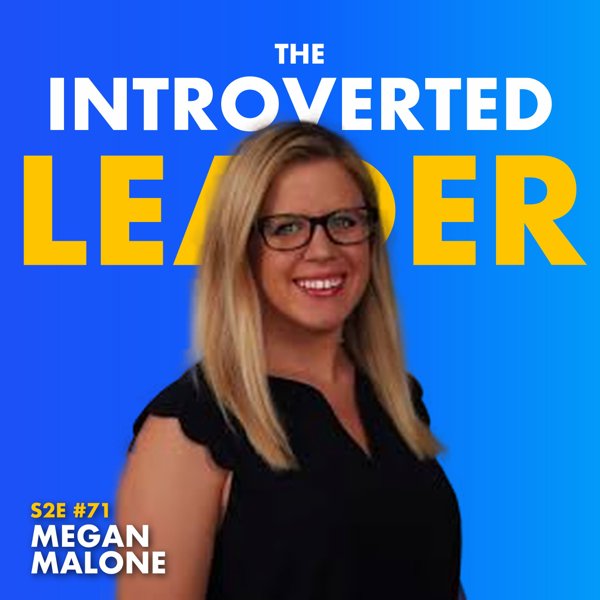
Megan Malone is a personality expert at Truity who has spent her career helping people build assertive communication skills through self-awareness rather than volume. Her central argument is that introverts don't need to get louder to be heard in meetings — they need to trust the depth of their thinking, use tools like personality assessments to spot their own patterns, and reclaim moments with responses like "let me get back to you" instead of improvising under pressure. Drawing on her own decade-long journey from people-pleasing and burnout to firm boundaries, she also walks through how introverts can prepare for hard conversations, protect their energy, and pursue visibility in ways that feel authentic rather than performed.
This is not a retreat. It's a power move, and people respect the person who comes back with a considered answer, especially because most of the time the results are much better.
I think it's important to realize that, that introversion, that ability to like deeply think and process is a huge strength, and you probably know a lot more than you realize.
I need boundaries with my work. I need to turn off work at a certain time and then focus on my life and develop that work-life balance.
Key Stories
- Discovering introversion through a personality test: Megan first identified as an introvert during a college psychology class, when a Myers-Briggs assessment gave her language for something she’d never named. What followed was almost a decade of trial and error throughout her twenties, learning how much she could take on day-to-day without tipping into burnout.
- The therapist’s office wake-up call: Megan describes sitting in a therapy session while her boss messaged her on Slack — and answering. The absurdity of that moment became the turning point that pushed her to set real boundaries around work hours instead of staying reachable at all times out of people-pleasing habit.
- Realizing she already knew enough: Early in her career, Megan assumed executives with decades more experience had nothing to learn from her. Working closely with them, she found she often knew as much or more about specific topics — a realization that became the confidence base for speaking up more.
- Reframing “let me get back to you”: Rather than treating the pressure to answer instantly as a test she was failing, Megan learned that pausing to think before responding reads to most people as thoughtfulness, not hesitation — and that reframe changed how she showed up in meetings.
Techniques & Frameworks
- Personality assessments as a self-awareness starting point: Megan points to tools like Myers-Briggs, DiSC, the Big Five, and the Enneagram not as identity labels but as a structured way to notice patterns you’re too busy living to see — then focus growth energy on your strengths rather than fixating on blind spots.
- The “let me get back to you” power move: Instead of forcing an in-the-moment answer, introverts can claim processing time explicitly. Megan frames this as a leadership signal, not a retreat — most people respect a considered follow-up more than an improvised answer on the spot.
- Boundary-setting as energy management: Naming specific work hours, learning to say no, and communicating those limits directly to others — the discipline Megan built after years of over-functioning as a people-pleaser and nearly burning out.
- A four-part prep framework for hard conversations: Before a difficult conversation, get clear on what you want out of it, identify the key points to raise, consider the other person’s perspective, use “I” statements instead of blame, and take a 10-second pause (or step away briefly) if emotions spike — while staying genuinely open to the other person’s feedback.
- Visibility through strength-alignment: Rather than copying extroverted self-promotion (networking events, constant social media presence), Megan recommends introverts build visibility around what they’re already strong at — teaching, writing, or speaking on topics they know deeply — so the effort feels sustainable instead of draining.
Full transcript
You’re in the meeting. Someone louder is talking over you and you’ve had something important to say, but by the time you had a chance to break in, the conversation has moved on. You wish you had been more assertive, direct, heard, and you’re wondering if assertive communication is just something other people are wired for, not you. Welcome to The Introverted Leader. It’s a podcast helping introverted leaders embrace your underrated quiet strengths so you can get promoted and start earning what you deserve. I’m Greg Weinger. I have over 25 years of leadership experience, and yes, I am an introvert. Today, I’m talking with Megan Malone. She’s a personality expert at Truity, and she spent her career helping people use self-awareness, not volume, as the basis for their assertive communication. Let’s get into it. All right. welcome to the show, Meghan. It’s so good to have you Hey, thank you. It’s good to be here All right. So, you know, we always have to ask the question, or I always have to ask the question do you consider yourself a introvert, extrovert, or other? I consider myself an introvert. I would say sometimes there’s periods of life where I feel like maybe I’m like a little bit more of an ambivert, you know? Like, I am a very people-oriented introvert, so you get that feeling like I can identify with some of the extrovert traits, but definitely at my core I’m an introvert. Yeah, understood. I think that’s confusing for a lot of us because we love people, we love being at parties, things like that. but then, there’s always that expiration date or time, and we gotta come back and, we need our rest. so when did you first gain some awareness about this, about yourself? Yeah. So I realized I was an introvert when I was in college.I was taking a psychology course my junior year, and we took the Myers-Briggs personality test, and that was the first time I had, any idea of what an introvert even was, let alone that I was one. I eventually kind of learned how to manage my energy as an introvert and realized, what I can manage, you know, day, day-to-day and not get burnt out, and that was kind of a long process. I mean, that was probably almost a decade-long process throughout my 20s of just kind of figuring out, like,What is maybe something outside my comfort zone a little bit without pushing myself to burn out or to do too much? it’s fantastic you’re able to do that in your 20s. A lot of people’s, may never get to that or, you know, come to it much later like, like I did. I’m still figuring stuff out,Oh yeah, of course, of course, of course. But it’s, you know, it’s a big leg up. but it sounds like self-awareness was kind of the kernel of this. And how do you look at that now in terms of self-awareness and how that relates to personal growth? So I often say that self-awareness is kind of that first step or that key to kind of unlock the door to personal growth. Because if you don’t know who you are, you can’t really know where you want to be or who you want to be, right? you can look at all the guides, you can talk to someone else that can tell you, “Hey, you should do this,” or you can say, you know, “Society is pushing me to, follow the traditional path of getting a job and doing this, and this.” But when you have that self-awareness, you can kind of ask yourself, “Are these things authentic to me? Is this really what I want for myself? or do I want something different?” And the earlier we can figure that out in life, that just gives us so much leverage to be able to start that path even sooner. Because a lot of people, don’t realize until much later in life, and they’re like, I’ve been doing this for 20, 30 years, and I j- I’m just not fulfilled. This isn’t, doesn’t feel right to me, and I don’t know why.” And that’s when they start getting into self-awareness and growth. and so again, the, this, the earlier we can do it, the better, but of course, it’s never too late Mhm, mhm. to get into that, right? it’s just definitely something that, that I encourage for anyone really wanting to grow personally and professionally is start with that, that self-awareness piece. Yeah, and I can imagine, this is great advice for anyone, but for someone interested in leadership, this is particularly helpful. Yeah. And especially because, as a leader, you want to be able to model things to the people that you lead. You want to be able to coach them and help them. And so if you have a really strong understanding of who you are, where you’re going, your career, personal trajectory in life, then you can be able to really go back and assist other people and guide them or coach them, and also model that, that self-awareness, and those behaviors too to others. So very important in leadership. Yeah, absolutely. it starts with your own self-awareness, and then probably expands to situational awareness of other people, and then being able to model that, but also to guide people. so that’s a critical first step Yeah, and actually in emotional intelligence, one of the core facets of emotional intelligence is self-awareness. And when I talk, I do some trainings on emotional intelligence as well as part of my job, and, I often say, that’s the first thing to focus on in emotional intelligence development as well, right? Because you have that self-awareness, then you can start focusing, like you said, on the social awareness and these other aspects of emotional intelligence that will make you a better communicator, a better leader, and whatnot. All right. self-awareness is the core. What are the tools that are available to help people understand, or develop that self-awareness? Yeah. So,I work for a company called Truity, and we have a lot of personality assessments and,I think these are really great tools for kind of starting that self-awareness. So for me, when I was in college, again, I took what is called the Myers-Briggs testWe also have the DiSC assessment. We have the Big Five, the Enneagram, several different personality assessments, that, that you can take. And I think that those are really helpful in, starting to understand yourself a little bit better because there’s a lot of things that are gonna come up, like for me, realizing I was an introvert when I took that test in college. There’s things that you’re gonna… they’re gonna come up that are gonna resonate, but you’ve never really spent the time to, like, think about yourself in that way or think about your own personality in that way. It’s really easy when we’re just operating day to day as, partners or parents or employees or bosses or whatever, that we just get caught up in this external world and, all of our responsibilities. We don’t take that time to really self-reflect. And so these assessments can help you pinpoint some of those things. They’re not gonna tell you every single thing that you need to know about yourself. It’s not this, this oracle that’s gonna open up the door to everything that you possibly could understand, but it’s gonna give you enough to make you start thinking about yourself a little bit differently and, maybe reflecting a little bit more on where you are in life what you want for yourself and what is authentic for you. Yeah, it seems like it’s providing a structure for looking at different aspects of your life and, different repeated patterns that you may not have noticed, otherwise Exactly. Yeah. So it can be great for recognizing patterns within yourself, things that maybe challenges that you’ve had since you were young, strengths as well. I mean, i-identifying our strengths is a really important part of growth, and so,these tests are great at that so is this going to help with developing your own… Let’s say you’re interested in leadership. Is this gonna help you develop your own leadership style or help point you in the right direction? Yeah. So a lot of the tests, the DISC assessment specifically was made for the workplace, so there’s a lot of that that is focused specifically on leadership. but a lot of the other tests have parts, parts of them that go into leadership as well. so all of them are gonna help you develop as a leader, but again, it really comes back to that just understanding who you are and what your strengths are, and then how does that apply to leadership? So, you know, maybe my strength is really working one-on-one with people, that means I’m really good at coaching my employees one-on-one as a leader. Or maybe my strength is really thinking about things from an analytical or data-oriented perspective. Okay, so how can I apply that in my leadership? Because that’s how I’m gonna be able to really show up and shine. So when we start to realize our strengths, we can think about how to apply those from a leadership perspective. That’s great. And there’s different schools of thoughts about your strengths and your weaknesses, and there’s a big school of thought, Marcus Buckingham, focus on your strengths. you can work all day long on something where you’re just not that good at, but ultimately you’re gonna, you’re gonna move much faster, further by enhancing what you’re naturally good at. how, how do you think about that? I agree with that philosophy. Yeah, I agree with focusing on your strengths. I think awareness of our challenges or what we call our blind spots is also very helpful. So we don’t want to be just totally blind to the things that we struggle with. It’s important to know what those are so that we can address them when we need to. again, that’s just part of the self-awareness piece. But when we’re talking about growth, I think focusing on our strengths is really our biggest opportunities for growth. if you are really good at working one-on-one with people, how can you expand in that and get even better? Maybe you can practice active listening techniques or coaching techniques that make you even better at that, something that you’re already really good at. Yeah, I think this is really great advice for introverts, great leadership advice because that’s where you start. And then, recognize over time, as a leader, you can surround yourself with people who complement you, the things that are your weaknesses, but you’re probably not at that point. You don’t start out at that point. but then you can start to layer in additional skills that are complementary. Maybe you’re not terrible at them, maybe you’re not the best at them, but then, they can support you in leadership. for me personally, my journey was I started out, with really strong one-on-one relationships, and I would form relationships around a company. And then, speaking up in, in group settings was more challenging, so that was something that I, I layered in. I’m still not the best, but, you know, far from the worst at it. It was just something I was able to, to add in over time. Yeah, that’s a great point, and I think that’s once, once we get, like you’re saying, to that point where you feel pretty confident in your strengths, then we can start addressing some of the other stuff that we wanna grow in. I think the problem comes in when we’re overly focusing on our challenges or blind spots, weaknesses, and we think, “Oh, I need to, be a great public speaker,” at the expense of focusing on our strengths. Or we get into certain roles that require us to really, focus on things that are not our strengths and just ignore the strengths, or the strengths that we have aren’t being appreciated in that specific role. That might be a sign that maybe that role isn’t the right fit because we’re not allowed to really be able to focus on growing in our strengths. but if we’re already in a situation where we feel like we’re really being able to thrive in our strengths, we’ve been able to build on that and grow in that, then yeah, that’s a great opportunity to say, “Okay, where do I wanna grow next? Maybe I wanna be a better public speaker, or maybe I wanna be better at this or that.” Yeah, that’s a great point. So I wanted to shift gears The extrovert bias is very real. It’s very present, everywhere, so thank you for trying to correct some of these misperceptions that are out there as you see them. we have an understanding that there are introverted models of leadership, and what could executive presence look like for someone who’s quieter? Yeah, that’s a good question. I think that when we’re talking about someone who’s quieter or more introverted, they’re not gonna potentially be the person who’s, the loudest person in the room. They may not be the most charismatic person in the room. But one thing that introverts tend to have as a strength is this depth or breadth of knowledge and understanding because we do spend so much time processing things internally, thinking about things that are important to us, things that we’re interested in, and really gaining a deep understanding of those topics. And that’s not to say that extroverts can’t also have deep understandings of certain topics, but they’re just more wired to be engaging with the outside world, so their strengths are more in things that require engaging with the outside world. So,being very adaptable in social situations, being charismatic, these are extroverted strengths. So what are strengths of someone who’s very inward thinking and reflective? That’s gonna be someone who really understands things very deeply, someone who’s very thoughtful. And so these are strengths that can really show up in introverts, but it also requires the introverts to have the confidence to express that, right? So sometimes introverts might know a lot, but they might not express as much as they know, or they, might feel like they’re not qualified. And I think it’s important to realize that, that introversion, that ability to like deeply think and process is a huge strength, and you probably know a lot more than you realize. And I know I’ve worked personally with executives that have 10, 20, 30 years more experience than me, and I thought, what do I have to offer here?” But then when I start working closely with them, I’m like, “Hey, I know probably more about this topic than they do,” you know? And it’s not to say that they don’t have a lot to also teach me and that I can learn from them, but there are certain areas that even when I work with people with way more experience, I realize I know just as much or more than them, And that’s something that is a strength, and I need to lean into that. and so that’s helped me to get the confidence to express myself more and speak up more throughout my career. That’s right. you have areas of knowledge, you have ideas, insights, sensitivities that are unique to you, even though you may be much younger or, have much less experience in other ways. and, yeah, that’s, that’s absolutely valid. And you also mentioned, potentially needing more time to think things through or, you know, how do you bring your best self? Maybe it’s on reflection or, creative thinking on your own. Part of that confidence is claiming that time for yourself. It’s like,I have some thoughts on this. Give me some time to work on it, or even if there isn’t an opportunity following up through email, just in a format that’s, you know, a better fit for you. I agree that’s the way that introverts are contributing, and the top leaders are doing that themselves. the top introverted leaders are not they’re not gonna answer in that moment. they’re gonna take that time for themselves. And that’s part of the confidence aspect too, is getting to a point where you feel confident enough to be able to say, “Hey, I don’t have an answer for you right now. I’m gonna think about it and get back with you.” I know when I was younger, I felt like, “Oh my gosh, I’m gonna freeze up if I don’t have the perfect answer right away,” or, “They’re gonna think I’m not smart because I don’t have it.” But people understand. Most people understand that it’s okay, like we’re not gonna have an answer right away, and actually it’s preferable that you’re gonna actually think about it and maybe spend some time, researching or doing whatever you need to do to get that answer versus just giving some you know, jazz hands, whatever answer that you’re making up on the spot because you don’t really know, right? So I found that a lot of people tend to appreciate that and are very happy, when I say that I need to do that, when I say, “Hey, I don’t know. I’m gonna get back to you,” or, “Hey, I need to think about it. Let me get back and then I’ll send you an email or we’ll have a follow-up call.” People are usually more than happy for that kind of response. I think it just shows that you’re someone who is thoughtful and people appreciate that. Absolutely. So on this theme of confidence, what elsecan introverts dowe talked about setting boundaries. Where can they find opportunities to set boundaries around them? Boundaries are a great topic. It’s something I love to talk about because it’s something that has definitely been something I’ve had to work on in my own life. So I’m, on top of being an introvert, I’ve also always been a little bit of a people pleaser. so taking on more than I can chew is something that I’ve done a lot throughout my career. being able to identify, where I’m doing too much and how I can scale back from that has been really helpful, and that’s just been as simple as learning to say no to things, learning to manage my time and my energy effectively for me, and then being able to communicate that with other people. say, maybe after work hours, I am not gonna talk about work stuff, These are the hours that I work, and then the rest of the time is family time or me time, and I’ll get back, the next work day. And that’s just stuff that I just didn’t do when I was younger because I felt like I needed to respond right away, or I needed to be there for people. And I think a lot of people, especially younger people, if you’re also like me and have some of those, like, people-pleasing tendencies, you tend to do that. You wanna take on all the work. You wanna prove that you can do it. maybe you wanna, like, be a standout superstar, and that was also me earlier in my career. And what I realized from that was I wasn’t really getting, a lot of positive reception for that. It’s not like I was getting all the… I was getting a little bit of raises and promotions and stuff like that. But at the end of the day, it was like the expectations placed on me were just so much higher than a lot of other people because I was willing to do so much more. And so I was just causing myself to get more stressed and more burnt out, and this is part of that, the decades-long growth that happened throughout my 20s, and then boundaries were a big part of that. so I had to get to a point where I said… I had this moment, actually. I was, talking to my therapist in my therapist office, and my boss was sending me messages on Slack, and I’m sitting there talking to my therapist. I’m like, “Okay, wait one second,” and, sending my boss messages at, I don’t know, 6:00 p.m. on a weeknight. And after that, I was just like, “What am I doing? Why am I responding to my boss while I’m s- in therapy?” That’s the most outrageous thing, right? I should not be doing that. and that was kind of the moment for me that I was like, I need boundaries with my work. I need to turn off work at a certain time and then focus on my life and develop that work-life balance.” yeah, I think boundaries can be helpful for anyone regardless, introvert, extrovert, anyone can benefit from them. But if you’re someone who is taking on too much and that’s draining you as an introvert, that’s a good space to ask yourself, “Where can I establish some of those boundaries?” Yeah, it’s so important for introverts ’ we need to claim that time, for ourselves to recharge ‘cause we’re, we’re kind of running hot, in these, especially in these dynamic social situations ‘cause we’re doing more work. We’re processing more, and so we need that recovery time, so it’s super important. Agreed. I just spent this week kind of overextending myself. We had a all-company meeting, and there was no opportunity for me to take space. I’m recovering a little bit later. But, it’s always a, a struggle to, to set those boundaries and create that time for yourself. Yeah. I hope you found some time after all the chaos to recover a little bit. Yeah. No, I did. Thank you. Yeah. I had a nice time yesterday morning. yeah, spent some time to get some coffee in the sun, so yeah, feeling much better. so another thing that I think can be really challenging for introverts is conflict. and yeah, how do you think about that? How do you coach people on that? Yeah. conflict can be challenging. again, I’m someone who’s an introvert who’s also somewhat conflict avoidant, so that’s been a challenge in my life as well. I think that one thing that introverts can do to help with conflict is prepare. Prepare for difficult conversations. knowing that you are someone who needs to process and think things through, you’re probably going to be more effective in a hard conversation if you have thought through, what am I hoping to get out of this conversation? What are the key points I wanna make sure I bring up? have I thought about the other person’s perspective and where they’re coming from going into it? There’s a lot of different things we can do to prepare that’s gonna limit the potential that maybe we react in a way that we don’t wanna react or that’s not gonna be effective to the conversation overall. there’s some tips from the emotional intelligence perspective too that can make conflict and communication more effective. So one thing is using I statements when we’re having a difficult conversation. So saying like, “Hey, I feel frustrated when,” versus blaming the other person. Like, “Hey, when you don’t respond to me, like that makes me mad,” or, you know, like, “You’re not doing this, you’re not doing that.” That’s not gonna be as effective. another thing that we can do when we get into difficult, potentially heated conversations, we start feeling those negative emotions pop up, like anger or we’re getting upset, just pausing is okay. We can take a pause for 10 seconds. We can even say, “Hey, I need to step away for just a minute.” you can make a big excuse, or you can just say, “Hey, I need to step away. I’ll be right back.” And just take some deep breaths and regain that emotional control within the conversation. that helps to avoid reacting impulsively or getting the conversation, in a direction that’s not effective. And then another thing we can do is also be open for feedback from another person too. Remember, when we’re going into a conversation, it should be a two-way street. Yes, we wanna be heard, we wanna make our points known, but we also wanna understand where the other person’s coming from and be open to potential feedback, even if that’s uncomfortable, which it often is in hard conversations. we don’t wanna do it to the point where we’re just going to go into that people-pleasing role like I have done in the past where it’s just like, “Oh, okay, well, I’ll change, and it’s fine. It’s… Don’t worry about it.” we wanna stick to our guns. We wanna make sure that we’re being heard, and our feedback is being considered, but we can also be open to the other person’s perspective. Yeah. if a conflict situation is challenging for you as an introvert, in, in the sense that it can be draining. the longer things go on, you know, the bigger of a deal they get. And so one of the ways you can help manage that is to seek out the conflict Because the sooner you get to it, really the smaller it’s going to be. it, it doesn’t give things time to, to grow and fester. all those were great suggestions, that I think could apply for anyone. but they are critical for introverts, especially if you’re getting into leadership. Yeah, and just to add on your point about not letting things fester, that’s something that I see a lot when I’m working with teams or when I’m coaching people one-on-one. People think that if they just don’t bring something up, it’ll be okay. you think, “Oh, I can kinda just deal with this for a little bit, and it’s fine.” But then things keep happening with the same person, right? And it’s just it gets a little bit more frustrating, a little bit more challenging, and then they get to a point where they’re just really like, there’s a lot of resentment or tension within the relationship because they’ve never said anything. and sometimes that causes a lot of problems with how they’re working with that person. Maybe they’re venting a lot to their boss or other employees, but not talking directly to the person. And so these types of things are really common, at work specifically, and that’s just because people tend to be conflict-avoidant. They’re afraid of bringing something up. So like you said, the sooner we do that, the easier the conversation is. the more we hold it in and we wait until things get really bad, then we’re dealing with a much more challenging conflict. Yeah. And the other thing that is counterintuitive that I’ve learned is that, that usually relationships are better after the conflict. if you can get through that, then you’ve actually, you’ve strengthened the relationship. You’ve proven that you can work something out And of course, that does depend on you resolving the conflict. but, assuming that you get over that, yeah, you have far closer relationships because then there’s that trust there that even if something goes sideways, then you can work it out. Definitely. And there’s also understanding. People wanna be understood. So if you’re able to make yourself known to the other person, they’re able to explain their side back to you, and then you can get to a consensus, then both people feel more understood, and that just, like you said, is gonna make the relationship stronger that’s a really great point. the under-understanding is sometimes more important than the result. a lot of times the result is what it is. Like, you know, we failed, it didn’t work, that kind of thing. But if both sides feel understood, then the relationship is healthy. Yeah. Awesome. the last one you know, I wanted to ask is just another aspect of leadership is seeking out visibility, and If someone is quieter, that can be more of a challenge. what do you recommend for introverts who are wanting to be more visible so that they can be recognized as a leader? That’s a good question. I think that comes back to recognizing your strengths as an introvert. So maybe you’ll see extroverts that are out there really doing a lot of self-promotion. you might see a lot of people that are more extroverted that are putting themselves out there more, being more loud with their self-promotion. Maybe they’re putting stuff on social media. They’re going to a lot of events and networking, and I think that historically, that’s how we’ve seen self-promotion is, like, you need to really put yourself out there as much as possible. You need to be talking to as many people as possible, and that doesn’t really feel authentic to a lot of introverts. So it’s important to, again, identify where your strengths are so that you can tap into those in every layer of life, and that includes, visibility or promotion. So maybe you, again, have this depth of knowledge in certain topics, so maybe your strength is being able to educate people. So maybe you can look for opportunities where, maybe on social media, you’re sharing educational information about things that you know a lot about, or maybe you’re going to events where you can talk about specific topics that you know a lot about or that you’re really passionate about. So that’s opportunities that you can show that as a strength without having to put yourself… I mean, maybe you’re putting yourself outside your comfort zone a little bit, and that’s okay, but not putting yourself in a situation that’s just really draining and doesn’t even feel like it’s worth it for you at the end of the day. You know, if you go to a networking event, and you’re just small talking with people, and you’re just, you might just be like, I don’t really feel like I’m getting a lot of good visibility out of this because I’m not really leaning into my strengths here.” So what are some things that you can do, to do more of that? Absolutely. Megan, this has been really great. I’ve just really enjoyed hearing about your journey kind of going through that journey of self-awareness and developing yourself. I see people doing this more and more, like you in your 20s and, the world is gonna be a better place to have more self-aware people who, make things easier for, everyone in the room, the quieter people as well as the louder people. So I really appreciate the work that you’re doing. Thank you. I agree. I think it’s super important, and I think I am a big advocate for people, diving into this stuff at any age. Whenever they have that realization that it’s something that they can benefit from, dive into it, start understanding yourself, start understanding why you are the way you are, what your strengths are. it’s only going to open up so many doors and opportunities for your life And when you do it for yourself, you do make it easier for other people who maybe, they don’t have that awareness or they don’t have the courage yet to, to do that for themselves. Absolutely. Yeah. So where can people find out more about you and your work? Yeah, so you can check out, uh, truity.com. So that’s my work. we have all the assessments that I mentioned earlier, like the Big Five and the DiSC and the TypeFinder or the 16 types test. So if you wanna take any of the tests there, you can do so. You do have to pay for a full report, but we also have a lot of free resources on our site, a lot of blogs and YouTube videos, and I’ve created a lot of content, specifically for Truity. So you can find a lot of more information about career growth, personality, all that kind of stuff there. I do do individual coaching. I’m kind of on a hiatus from taking any new clients right now ‘cause of personal life stuff. I am doing a little bit of writing on Substack just for fun. So I’m not really on social media too much these days, but you can find me on Substack. My Substack is called Penning Perspectives, and I write about personal growth, psychology, neuroscience, all the nerdy stuff that I’m interested in, and I also write about motherhood and kind of my own personal journey in life. And so if you’re interested in that kind of stuff, you can check that out Sounds great. Check it out. Megan, so great to have you on the show today Yeah. Thank you for having me. It’s been a great conversation. I’ve enjoyed it All right, let’s take a minute to recap. Number one, self-awareness is where leadership starts. Personality assessments, like Megan talked about, can help, and they’re not there to label you or put you in a box, and they’re not for anyone else’s benefit. They’re simply a tool for you to help you notice patterns you may not be fully aware of, and that awareness gives you the agency to change them. Number two, in meetings, your habit of needing to think things through first is a strength, not a weakness. When someone asks you a question and you don’t have the answer yet, Just say, “Let me get back to you on that.” This is not a retreat. It’s a power move, and people respect the person who comes back with a considered answer, especially because most of the time the results are much better. And number three, boundaries and conflict don’t age well. Protect your energy and minimize your overall stress by finding the courage to say the hard things sooner. Letting things fester only makes the conversation bigger down the road. And on the other side of real conflict, if both sides can feel heard, your relationships come through much stronger for it. If this episode resonates with you, here’s one simple step. Subscribe wherever you’re listening. I want us all to keep growing as leaders. When quiet people lead, everyone benefits. I’m Greg Weinger. Keep leading with quiet confidence, and I’ll see you next time